
Environmental Systems
PCB Developer Filtration: What To Check Before Reuse
PCB developer filtration removes selected residues from a process bath. It does not automatically restore bath chemistry. Before considering reuse, you need contamination data, chemical compatibility checks and an agreed development-quality test.
What Does PCB Developer Filtration Remove?
PCB developer filtration targets contaminants that the selected separation stages can retain.
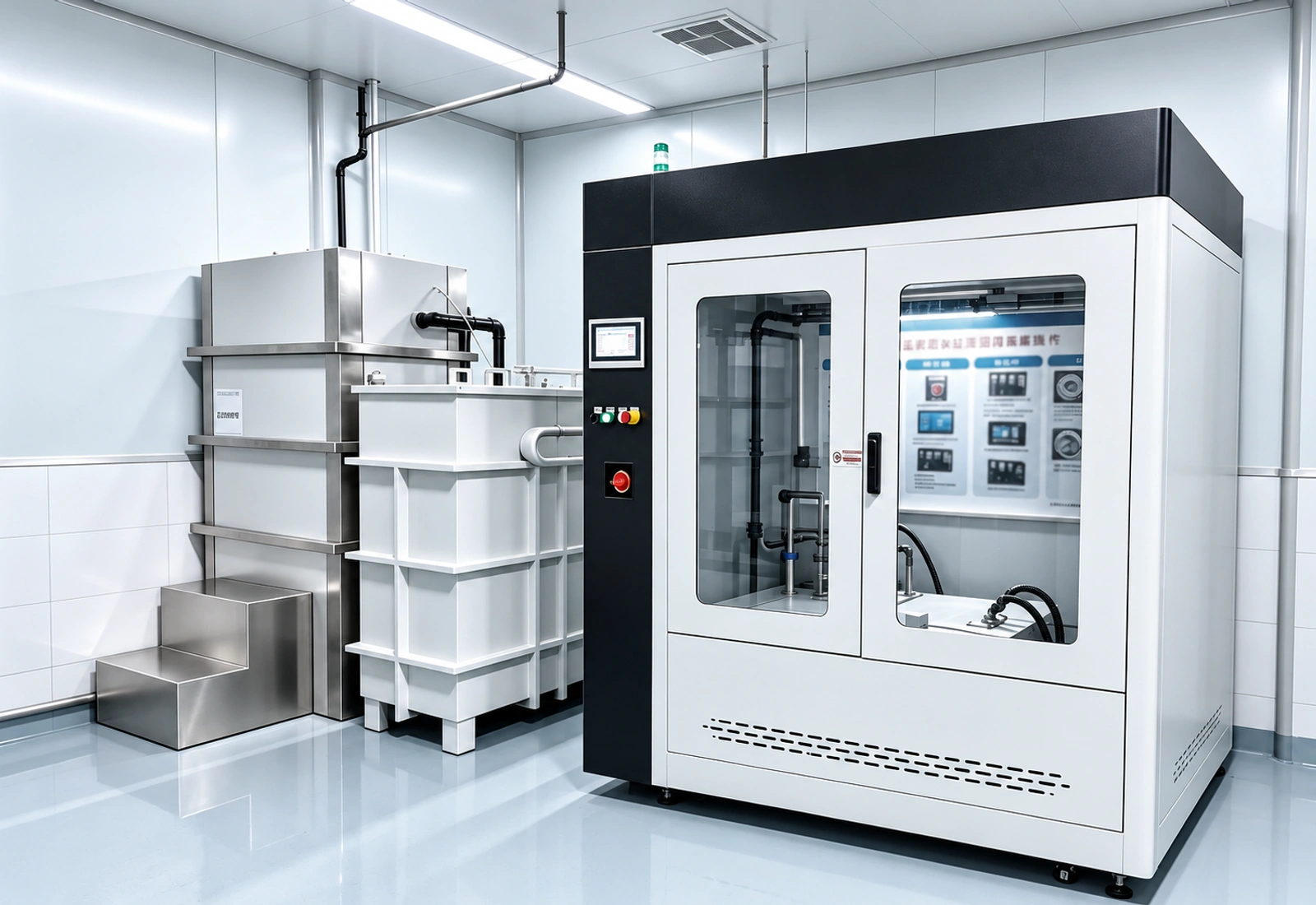
Chengtai describes a two-stage fine filtration system for residues and colloidal particles in developer solution. Performance depends on contamination and filter configuration. Ask which particle fractions each stage addresses. A visibly clearer bath does not establish process quality.
Why Does Chemistry Still Need Control?
You must control bath chemistry separately from particle removal.
Developing changes the bath as photoresist enters the solution. Filtration alone does not establish the correct operating concentration. Follow your chemistry supplier’s limits for concentration, temperature and loading. Check compatibility before selecting pumps, seals and filtration media.
Which Data Should You Collect First?
Your starting dataset should describe chemistry, contamination and existing replacement practice.
Record bath volume, operating temperature, circulation flow and production schedule. Collect representative samples across the bath’s working life. Track chemistry and the defects that trigger replacement. Consistent sampling lets you compare filtration trials with current operation.
How Should You Run A Reuse Trial?
You should compare filtered operation against a documented production baseline.
Agree acceptance criteria with your process and quality teams before testing. Use representative products and the same inspection method. Review development quality, bath measurements, filter loading and maintenance together. Record rejected boards and interruptions. Stop when agreed process limits are exceeded.
When Is Filtration Insufficient?
Filtration is insufficient when the limiting problem falls outside the proposed separation mechanism.
An exhausted or chemically unsuitable bath still needs appropriate treatment or replacement. Dissolved constituents may remain after particle filtration. Ask your chemistry supplier to assess the bath. Retained residues also need suitable handling. Do not treat filtration as zero-discharge treatment.
How Do You Identify The Actual Cause Of Bath Replacement?
You should identify why the developer bath is replaced before deciding whether filtration addresses the problem.
Start with operating records from several normal production periods. Note when the bath is replaced and what triggers that decision. The trigger may involve process measurements, quality concerns or a fixed operating schedule. These are different situations. A filtration proposal needs to address the limiting condition you actually observe.
Interview operators and process engineers separately, then compare their explanations. An operator may describe blocked nozzles while a process engineer records changing development quality. Both observations matter, but they may not share one cause. Avoid assuming that visible residue explains every production issue. Confirm the mechanism with sampling and investigation.
Record product mix alongside bath history. Different resist systems and production loads can change the contamination entering the bath. A trial based on one convenient product may not represent your normal schedule. Identify which conditions recur and which are exceptional. Keep these distinctions in the evaluation brief sent to suppliers.
Review the replacement rule with your chemistry supplier. Ask which bath measurements support continued use and which require corrective action. Filtration should work within an approved process window. If the governing limit is chemical rather than particulate, state that clearly. It prevents you from evaluating the wrong separation duty.
How Do You Separate Particle Removal From Chemistry Management?
Particle removal and chemistry management need separate acceptance criteria because they address different bath conditions.
A filter retains material according to its design and operating mechanism. Retained material may include residues that interfere with circulation or cleanliness. However, removal of selected solids does not establish correct chemistry. You still need the measurements required by your chemical process. Agree those measurements before discussing reuse targets.
Ask the equipment supplier to describe each proposed separation stage. Request the target contaminant, operating principle and consumable materials. Then ask your chemistry supplier to review compatibility. Do not infer performance from the number of stages alone. A two-stage arrangement needs validation against the actual contamination and process conditions.
Maintain separate records for clarity, measured chemistry and board quality. A change in one does not necessarily predict the others. For example, better visible cleanliness may coexist with an unacceptable operating concentration. Your release decision should consider all required conditions. Avoid accepting a system through photographs of clear liquid alone.
Specify how the process responds when chemistry falls outside its approved window. The response may involve adjustment, investigation or replacement under your established procedures. Do not let continuous filtration obscure that requirement. Operators need a clear decision path. The equipment proposal should identify which measurements it provides and which remain your responsibility.
What Makes A Useful Sampling And Baseline Plan?
A useful sampling plan lets you compare bath conditions before and during filtration under comparable production conditions.
Define sample locations, collection times and sample identification before the trial. Include a consistent description of the operating state. A sample taken after an extended shutdown may differ from one collected during production. Record these conditions. Ask the laboratory or chemistry supplier about containers, preservation and analysis methods.
Collect enough baseline information to describe normal variation. One measurement does not establish a stable operating range. Record the process checks already required by your plant. Add trial-specific measurements only when they support a defined question. Unnecessary data collection can distract your team without improving the purchase decision.
Connect each sample to production records. Identify the bath, line, product group and processing period. Record additions, cleaning and unusual events. Keep filtration inlet and outlet samples distinguishable where these form part of the agreed trial. This helps you interpret differences without confusing changing production conditions with equipment performance.
Use the same analysis method when comparing baseline and trial results. If the method changes, explain the difference before drawing conclusions. Ask the parties to review the baseline together. You need agreement on what the data means. That shared understanding makes later acceptance discussions more useful and less subjective.
How Do You Evaluate Installation And Hydraulic Integration?
You should evaluate the filtration loop as part of the existing process circulation arrangement.
Provide a piping sketch with the proposed connection points. Identify bath levels, return locations and the existing circulation equipment. Explain whether production continues during filter servicing. The supplier needs this information to define an appropriate arrangement. Do not select a pump from nominal flow alone without reviewing the installation.
Discuss the operating range and restrictions with the equipment supplier. Contamination loading and the selected media can change the hydraulic condition over time. Ask which measurements indicate servicing is required. Confirm how the system responds to low liquid level, interrupted circulation or an abnormal operating condition. Request the actual control description.
Review access for connections, isolation and maintenance. Operators need room to remove media and clean the relevant parts. Identify how retained liquid is handled during servicing. Any bypass or isolation arrangement needs a clearly defined operating procedure. Avoid informal piping changes that could return untreated material without operator awareness.
Document the boundary between supplied equipment and your plant services. Assign responsibility for piping, electrical connections, commissioning and process approval. Chemical compatibility remains essential throughout the loop. Check all wetted components, including seals and connecting materials. Keep the approved configuration with your maintenance documents so later changes receive appropriate review.
How Should You Specify Filtration Media And Service Conditions?
You should specify filtration media by verified process suitability rather than a nominal retention figure alone.
Ask what the stated retention rating means and how it was established. Different rating methods can make simple numerical comparisons misleading. Review the proposed media with the actual contamination samples. Confirm the supplier’s test conditions. A quoted figure should not become a guaranteed result for every bath or loading condition.
Chemical compatibility includes more than the filter element. Review housings, seals, connections and any cleaning agents used during service. Your operating temperature and exposure conditions matter. Ask the responsible suppliers to approve the materials for the application. Keep the approval records accessible when consumables are reordered or substitutions are proposed.
Define the service trigger before evaluating running cost. It may depend on operating measurements, flow condition or a validated maintenance schedule. Ask how operators recognise the trigger and confirm the correct response. Replacing media too late can disrupt operation. Replacing it unnecessarily can make cost comparisons unreliable.
Review replacement steps during the trial. Record the time, tools, cleaning actions and consumables actually required. Include handling of retained solution and contaminated media. The practical servicing task affects labour and production planning. Ask whether replacement parts need adjustment or inspection before restart. Build those requirements into operator training.
How Do You Demonstrate Reuse Without Hiding Quality Risk?
You should demonstrate reuse through agreed board-quality results and bath controls, not continued operation alone.
Write down the inspection questions before starting the trial. Identify the product families, process checks and defect categories you will review. Set responsibilities for sampling and quality release. Keep the acceptance method consistent. Extending operating time has little value if the produced boards no longer meet your requirements.
Plan the trial across representative production rather than only a short demonstration. Record throughput, product mix and relevant bath conditions. Note every intervention, including additions, cleaning and stoppages. These events affect interpretation. Your trial report should explain the conditions under which satisfactory operation was demonstrated, including any excluded conditions.
Investigate a changed result before attributing it to filtration. Board quality may also depend on upstream material and downstream process conditions. Use your normal problem-solving method to separate possible causes. Preserve samples and records where needed. Do not change several operating variables together and then claim a single confirmed benefit.
Define stopping rules and review points in advance. If process limits are exceeded, follow the approved response rather than pursuing a target duration. At trial closure, list supported findings and unanswered questions separately. This gives you an honest basis for purchasing. It also identifies additional testing required before routine reuse approval.
How Do You Calculate The Actual Operating Cost?
You should calculate operating cost from measured trial inputs and a documented production basis.
Choose a comparison basis that reflects your process. You might compare equivalent operating periods or a consistent quantity of processed product. Keep the product mix visible. A period with lighter contamination is not directly comparable with a heavily loaded period. Explain any differences before presenting a savings estimate.
Record consumable usage, cleaning labour, energy and maintenance interruptions. Include handling of collected residues and spent media. If filtration changes replacement frequency, validate the change with bath and board-quality records. Do not count avoided chemical purchases from an assumed extension. Separate demonstrated savings from estimates that need longer observation.
For a practical comparison, show annualised operating cost and the assumptions used. Include the planned production schedule, consumable replacement basis and service requirements. Review costs that remain unchanged as well. The objective is a complete operating picture. Purchase price alone cannot show the economics of a process-bath filtration system.
Use sensitivity checks when the trial does not cover every product or season. Change one assumption at a time. Identify which factor most strongly affects the business case. This helps you decide whether more testing is worth doing. Ask suppliers to explain their cost assumptions rather than providing an unsupported payback guarantee.
What Should Your Handover And Routine Control Plan Contain?
Your handover should define who operates the filtration system and who authorises continued bath use.
Give operators clear instructions for normal operation, sampling and service triggers. Keep process release authority with the responsible process and quality teams. Equipment status alone should not authorise reuse. The operating procedure needs to connect machine conditions with the required chemistry and quality checks. Review that connection during training.
Prepare a maintenance package with approved consumables, wetted materials and service instructions. Record the installation configuration and connection points. Include troubleshooting steps and supplier contacts through your plant’s normal support system. For overseas projects, confirm documentation language and remote-support arrangements. Avoid relying on one operator’s memory after commissioning.
Keep residue handling within your plant’s established waste-management procedures. Historical EPA guidance supports systematic pollution-prevention assessment, but it does not establish current local compliance. Confirm applicable requirements for your facility and waste streams. A filtration purchase does not remove your responsibility for managing retained contamination and spent solution.
Send Chengtai a baseline report, chemistry information and a marked connection layout. Ask for a proposal that identifies the filtration duty and trial method. Confirm what remains outside the supplied scope. After installation, review actual operating records against the approved baseline. Expand the validated operating range only through documented process review.
How Do You Compare Cost And Supplier Scope?
You should compare operating cost using measured consumables, maintenance and validated bath performance.
Include media, energy, cleaning labour, residue handling and downtime. Count chemical savings only after a controlled trial supports them. Chengtai offers developer-solution fine filtration equipment. Confirm compatibility, service access and trial scope. The EPA industry guide provides pollution-prevention context, rather than product validation.
Developer Solution Fine Filtration System · Environmental Systems · Company & Equipment Catalog
Developer Filtration Trial Checklist
Use these checks to define your evaluation scope before comparing proposals.
| Evaluation Area | What To Confirm |
|---|---|
| Process input | Chemistry, bath volume, temperature and operating schedule |
| Contamination | Representative samples and the existing replacement trigger |
| Quality | Agreed development defects and inspection method |
| Operating cost | Consumables, cleaning, residue handling and interruptions |
Frequently Asked Questions
Confirm the following points against your actual process and project scope.
Does Filtration Guarantee Longer Bath Life?
No universal extension applies. Bath life depends on chemistry, contaminant loading and validated development quality.
Is Filtration The Same As Wastewater Treatment?
No. Process-bath filtration and wastewater treatment have different duties. Define each stream and its treatment requirements separately.
Prepare Your Equipment Enquiry
Send your developer chemistry, bath volume, operating conditions and current replacement records. Request a filtration assessment.
Request A Technical Proposal ↗Sources And Further Reading
Product scope is based on the Chengtai company catalog. External references explain general engineering principles.
Related Articles
Continue with another equipment selection guide.